Ready to begin?
If you’d like to book a session or chat about how I can support you, I’d love to hear from you. You can reach me, Sarah Woodward, at Cheltenham Kinesiology by clicking the link below.
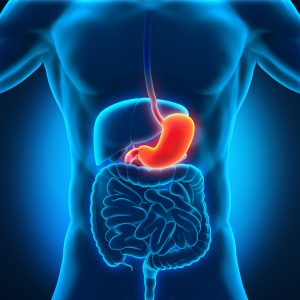
The Role of Stomach Acid
Specialized cells in the stomach lining secrete hydrochloric acid (HCl) — an incredibly strong acid that begins protein digestion and defends against pathogens. Thankfully, our stomach is shielded by a thick layer of mucus to prevent self-digestion.
Common Acid Disruptors:
As people get older, the number and strength of the cells that produce stomach acid (HCl) naturally decline. Over time, this can lead to insufficient acid production, making it harder to properly digest food and causing uncomfortable symptoms like indigestion. Stress can also contribute to this condition.
Hypochlorhydria — low stomach acid — is more common than many people realise. Because it causes similar symptoms to high stomach acid, many individuals respond by taking antacids or are prescribed Proton Pump Inhibitors (PPIs) by their GP. PPIs work by blocking the enzyme system (known as “proton pumps”) that releases stomach acid. However, if someone already has low acid, this can make the problem worse.
High vs. Low Stomach Acid: A Diagnostic Challenge
Surprisingly, the symptoms of low and high stomach acid — bloating, indigestion, reflux — are nearly identical. Without proper testing, it’s easy to misdiagnose.
Unfortunately, many people self-treat with antacids or proton pump inhibitors (PPIs), which further reduce acid — potentially worsening symptoms when HCl is already low.
What Low Stomach Acid Can Cause
Low HCl levels don’t just affect digestion — they ripple through the entire system:
Simple Lifestyle Shifts for Acid Balance
You can help support your stomach acid naturally through daily habits:
If you’re working to improve stomach acid balance, these simple habits can make a big difference. Share them with clients as gentle, achievable steps that promote calmer digestion:
Posture matters: Stay upright after eating, or take a gentle walk—slumping too soon may disrupt digestion.
Eat mindfully in a peaceful setting, ideally at a table—not slouched in front of screens.
Chew thoroughly until food becomes almost liquid, allowing enzymes to activate properly.
Slow down—avoid rushing meals, and if eating at work, step away from your desk to “switch off.”
Breathe deeply: Take 10 slow breaths (in for 4, out for 8) before meals to engage the parasympathetic nervous system.
Time your hydration: Drink water up to 15 minutes before eating, then pause for 30–60 minutes after meals so digestive enzymes aren’t diluted.

These strategies form part of the MCPE (Mental, Chemical, Physical, Emotional) whole-person approach, reinforcing lifestyle changes that make hands-on kinesiology treatments more effective
A kinesiologist can gently use muscle testing to check your body’s response to points related to HCL and enzymes in the stomach and find the supplements that support your digestion best.
We’ll assess which nutritional support may be needed, such as…
Soothing -Calms irritation and excess acidity in the gut.
Enzyme Support -Helps break down food when natural enzyme levels are low.
Stomach Acid Boost -Supports healthy HCL levels to improve digestion and absorption.
Combined Enzyme + Acid -Offers full-spectrum digestive help.
Targeted Support -Aids specific issues like fat digestion or gut lining protection
If you’d like to book a session or chat about how I can support you, I’d love to hear from you. You can reach me, Sarah Woodward, at Cheltenham Kinesiology by clicking the link below.