Ready to begin?
If you’d like to book a session or chat about how I can support you, I’d love to hear from you. You can reach me, Sarah Woodward, at Cheltenham Kinesiology by clicking the link below.
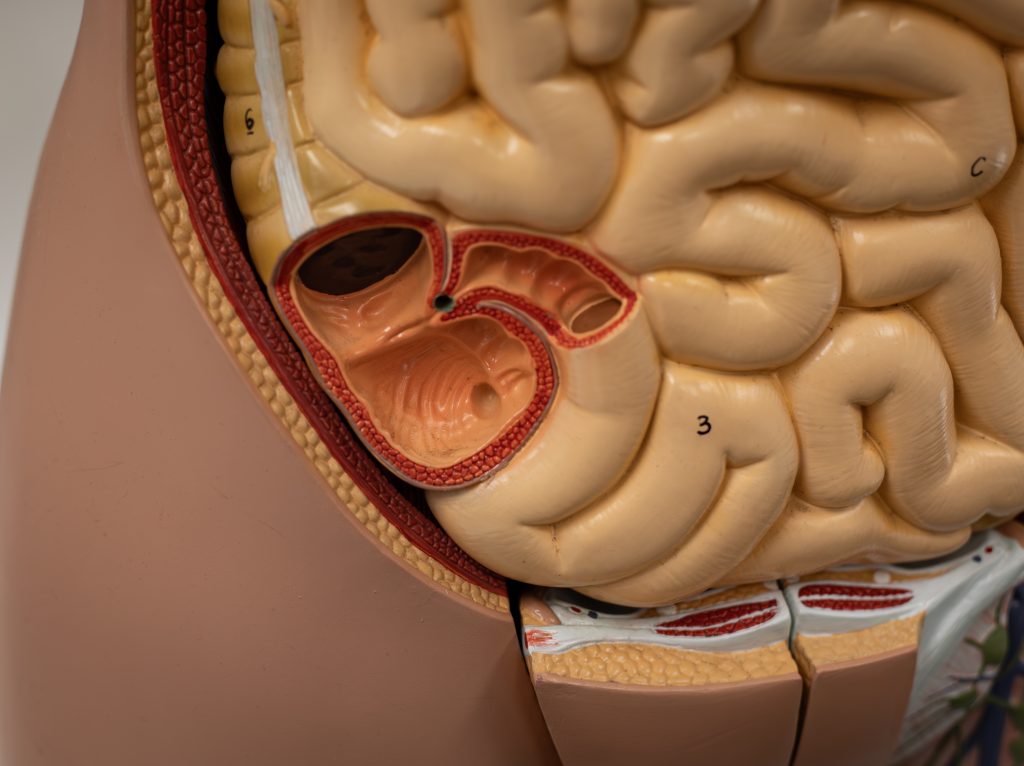
This small but powerful valve plays a vital role in digestive flow and detoxification, and when it’s out of balance, the effects can ripple across the whole body.
Where Is the ICV?
The ICV sits between the end of the small intestine (ileum) and the start of the large intestine (caecum) — located midway between your right hip bone and navel. But anatomy is personal, so positioning can vary slightly from person to person.
What Controls the Valve?
The ICV has two main structures:
Emotional stress, including anxiety and overwhelm, can influence this valve’s function because it links to the brain’s limbic system, which governs emotion. That’s why people often say, “I feel things in my gut” — they’re not wrong!
What Does the Valve Actually Do?
When working well, the ICV:
What Happens If It Malfunctions?
When it’s stuck open:
When it’s stuck closed:
Common Symptoms of ICV Dysfunction
🌿 Digestive
🌟 Skin & Surface Signs
💪 Muscular/Skeletal Symptoms
💬 General & Systemic
🔁 Endocrine & Immune
🧠 Mental/Emotional
The Houston Valve: Often Overlooked but Frequently Involved
The Houston valve isn’t technically a valve at all. It’s a collection of ridged rings located in the lower part of the colon, opposite the Ileocecal Valve (ICV). Though it’s less talked about, it can play a big role in digestive discomfort and is especially sensitive to emotional stress.
What to Know:
Practitioners often overlook it because it’s not officially listed as a “valve” in anatomy books, but in Systematic Kinesiology, it’s considered an important checkpoint — especially when stress, digestion, and back pain are all in the mix.
🥦 Eating & Drinking to Support ICV Recovery
When the ICV isn’t functioning optimally, even foods considered healthy—like raw vegetables, bran, and crunchy snacks—can irritate the bowel and delay healing. For at least two weeks, consider this short-term therapeutic approach to help calm inflammation and support your digestive system:
These changes aren’t permanent—they’re simply a reset designed to give your gut the space it needs to rebalance and heal.
Drink plenty of water between meals—aim for 8 glasses a day. Water is beautifully simple: it cleanses, hydrates, and doesn’t burden your digestive system.
Try to drink water up until 15 minutes before meals, and wait at least 30–60 minutes after eating before drinking again. This gives your digestive enzymes time to do their job without being diluted. Enzymes need a certain concentration to break down food effectively—so keeping hydration separate from mealtimes helps support smoother, more efficient digestion
🌿 Supplements & Helpful Nutrition
🌬️ Mindful Eating & Movement
The way you eat is just as important as what you eat:
🚫 Other Considerations
Treating the ICV gently can make a noticeable difference in how you feel day to day. These aren’t forever changes—they’re a temporary but important step in your healing process.

Assessment
I will test relevant muscles while pressing the ICV area. Weakness in the muscle may signal valve dysfunction — either stuck open or closed.
Corrections
The aim is to release tension, support the nervous system, and help the valve return to its normal rhythm — restoring digestive harmony from the inside out.
If you’d like to book a session or chat about how I can support you, I’d love to hear from you. You can reach me, Sarah Woodward, at Cheltenham Kinesiology by clicking the link below.